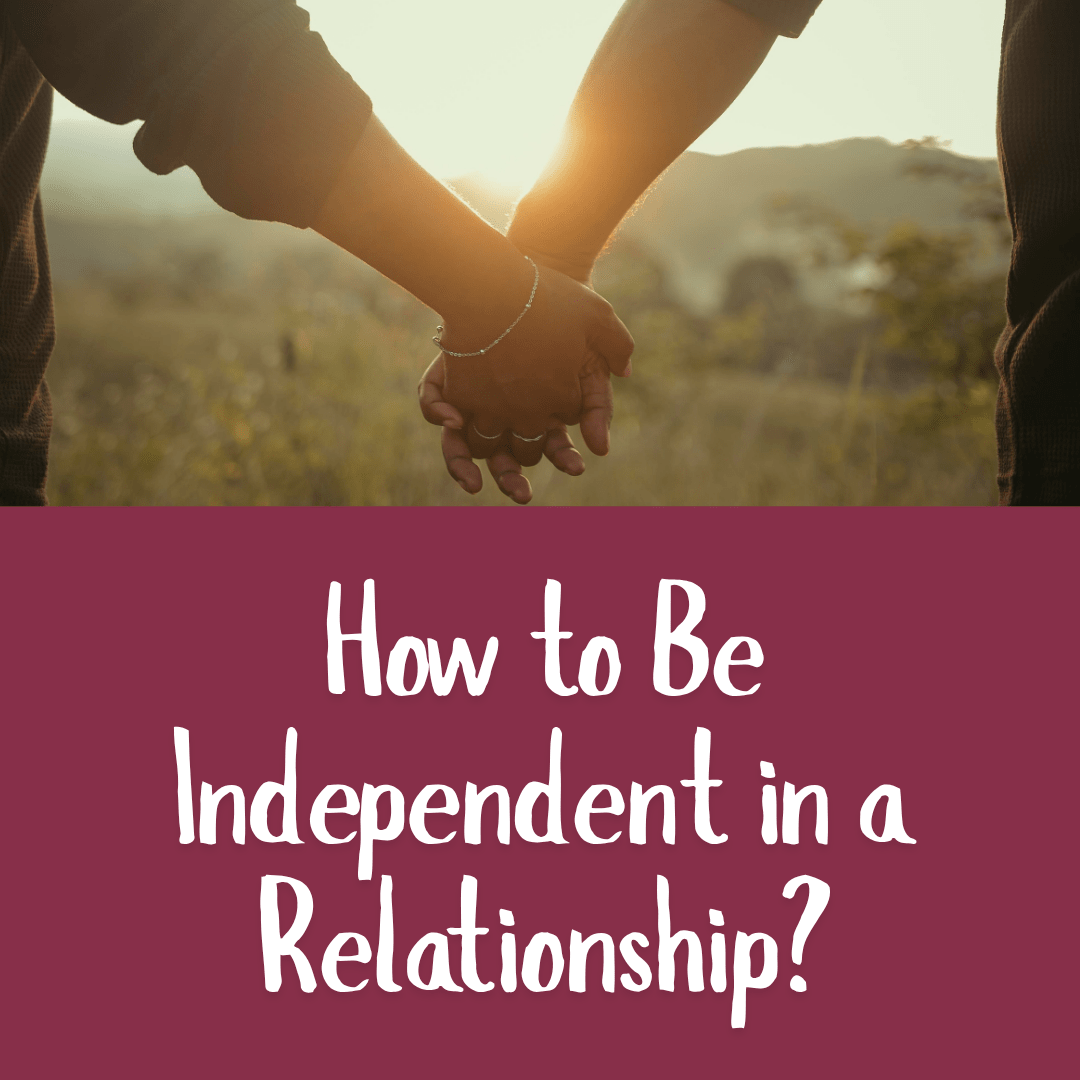
How to Be Independent in a Relationship?
Loving someone and keeping your own identity can feel weirdly harder than it should. A lot of people think a strong relationship means doing everything together, sharing every thought, and basically becoming a two-person package deal.
That sounds sweet for about five minutes, and then one of you realizes you do not even remember what you like to do alone.
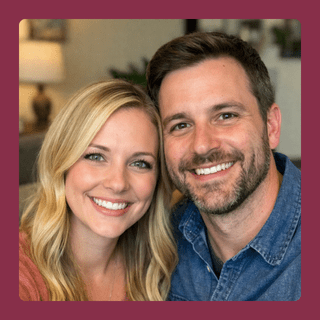
I’m Amanda Erin, and I’ve learned this lesson in real life with my husband, Kevin Clarence. I love him deeply, but I also know this truth now: love gets healthier when both people still feel like whole individuals. I did not always get that balance right.
Early on, I thought being close meant being available all the time, saying yes to everything, and quietly reshaping my habits around the relationship. That looked loving from the outside. Inside? It felt draining.
If you have ever caught yourself waiting for your partner to text back before you can enjoy your day, second-guessing your own plans, or slowly dropping hobbies because “we” somehow replaced “me,” this post is for you. Being independent in a relationship does not mean acting cold, detached, or selfish. It means staying connected to yourself while staying committed to your partner.Huge difference.
So how do you actually do that without turning your relationship into some dramatic “I need space” speech over coffee? Let’s talk about it in a practical, honest way.
What Independence in a Relationship Really Means
A lot of people hear the word independence and assume it means emotional distance. Nope. Not even close. Independence in a relationship means you can love your partner fully without making them your entire emotional center of gravity. You still have your own mind, your own routines, your own goals, and your own sense of worth.
That matters because relationships work better when two people bring full lives into them. They struggle when one person starts depending on the other for every mood fix, every decision, and every ounce of confidence. That kind of pressure can make even a loving relationship feel heavy.
Independence Is Not the Same as Isolation
Let’s clear this up right away. Being independent does not mean shutting your partner out. It does not mean hiding your feelings, refusing support, or acting like you need nobody. That is not strength. That is usually fear dressed up in a nicer outfit.
Healthy independence says, “I love you, and I also know how to stand on my own feet.” Isolation says, “I will keep you at arm’s length so I never feel vulnerable.” One builds trust. The other slowly chips away at it.
Why This Balance Matters So Much
Ever notice how attraction often fades when resentment starts growing? One reason resentment grows is when someone feels swallowed by the relationship.
They stop feeling like a person and start feeling like a role. Girlfriend.Wife.Emotional support system.Human reminder app. You get the idea.
When you protect your independence, you protect a few things at once:
- Your confidence
- Your interests
- Your emotional stability
- Your personal growth
- The spark that comes from being your own person
IMO, one of the least romantic but most useful truths about love is this: your partner should add to your life, not replace it.
Know Who You Are Outside the Relationship
This is the first step, and honestly, it is the part many people skip. You cannot stay independent if you do not know what you want, what you value, or what makes you feel like yourself.
If your whole identity starts revolving around your partner, you will feel lost the second conflict shows up.
I had to learn this the hard way. There was a season when I unconsciously built too much of my routine around Kevin Clarence’s schedule. I did not do it because he asked me to.
I did it because it felt easier, and because closeness can blur lines if you let it. Then one day I realized I had stopped doing small things that used to make me feel grounded. That hit me harder than I expected.
Ask Yourself Honest Questions
If you want more independence in your relationship, start with self-awareness. Ask yourself:
- What do I enjoy that has nothing to do with my partner?
- What goals matter to me personally?
- What values guide my choices?
- What do I need when I feel overwhelmed?
- Where have I started shrinking myself to keep the peace?
These questions are not dramatic. They are practical. You need to know yourself well enough to notice when you are drifting away from yourself.
Reconnect With Old Interests and Build New Ones
Sometimes independence does not require a huge life makeover. Sometimes it starts with returning to things you quietly abandoned. Reading. Walking alone.Visiting friends.Taking a class.Working on a personal project. Listening to music your partner does not care about without apologizing for it like you committed a crime.
Here is a simple step-by-step way to start:
- Make a list of activities that used to make you feel happy or energized.
- Circle three that still interest you.
- Put one of them back into your week immediately.
- Protect that time like it matters, because it does.
- Notice how you feel afterward.
That may sound small, but small habits rebuild identity. You do not become independent through one big speech. You become independent through repeated choices that remind you who you are.
Stop Making Your Partner Your Whole World
This section might sting a little, but it matters. If your mood rises and falls based entirely on your partner’s attention, your relationship will feel unstable even when nothing major is wrong.
One late reply turns into anxiety. One distracted evening turns into overthinking. One canceled plan turns into a full inner spiral. Exhausting, right?
I say that with love, because I know what it feels like to care deeply and still accidentally give too much emotional power away. The problem is not love. The problem is over-dependence.
Keep Your Emotional Life Bigger Than the Relationship
Your relationship should matter a lot, but it should not be the only thing that gives your life emotional color. You need other sources of meaning too. Friends. Work you care about. Creative outlets.Family.Faith.Fitness.Quiet time. Whatever genuinely nourishes you.
When you build a fuller life, a few healthy shifts happen:
- You stop watching your phone like it holds your oxygen supply.
- You bring better energy into the relationship.
- You argue less from panic and more from clarity.
- You feel less needy and more secure.
- You enjoy your partner more because you stop expecting them to be everything.
Nobody can be your lover, therapist, entertainment system, self-esteem booster, and life purpose all at once. That is not romance. That is burnout with cute photos.
Real-Life Example
Let’s say Sarah and Jake have been dating for two years. Sarah slowly stopped seeing friends as often because she wanted more time with Jake.
Then Jake got busy with work for a few weeks. Suddenly Sarah felt neglected, lonely, and angry. Jake felt confused because, from his perspective, he was just busy, not withdrawing.
The real issue? Sarah had built her daily emotional life too tightly around Jake. Once she started reconnecting with friends, getting back into her yoga class, and setting personal goals, the relationship felt lighter. Jake did not need to change everything. Sarah needed to rebuild her own world too.
That example matters because independence does not weaken connection. It removes pressure from it.
Set Boundaries Without Feeling Guilty
A lot of people struggle with independence because they think boundaries are harsh. They imagine boundaries as cold walls or selfish demands. In reality, boundaries are how you protect respect, energy, and emotional safety. Without them, resentment usually sneaks in and makes itself comfortable.
I used to think saying, “I need an evening to myself,” sounded rude. Now I think pretending you do not need space when you absolutely do is what creates bigger problems.
Why? Because unspoken needs do not disappear. They usually come back as irritability, passive-aggressive comments, or random tears over something tiny. Super fun.
What Healthy Boundaries Can Look Like
Boundaries do not need to sound dramatic. They can be clear, calm, and kind. For example:
- I need some alone time tonight so I can recharge.
- I want to support you, but I cannot talk about this well while I’m working.
- I’m not comfortable sharing my passwords just to prove trust.
- I still want time with my friends, even though I love spending time with you.
- I need us to discuss plans instead of assuming I’m available.
See? No yelling. No icy silence. Just honesty.
How to Set Boundaries Step by Step
If this feels awkward, try this process:
- Identify what feels draining, uncomfortable, or unfair.
- Name the need underneath it.
- Say it clearly without blaming your partner.
- Stay calm if they need time to adjust.
- Repeat the boundary consistently.
Here is an example. Instead of saying, “You always expect too much from me,” try, “I need one evening each week to myself so I can reset and stay balanced.” That approach works better because it focuses on your need instead of starting a fight.
Boundaries protect closeness because they prevent silent resentment from piling up. And trust me, resentment has terrible manners.
Keep Your Own Goals, Money Habits, and Decision-Making Power
If you want to know how to be independent in a relationship in a very real-world way, look at your goals, your finances, and your ability to make decisions. Emotional independence matters, but practical independence matters too.
A relationship gets shaky when one person slowly stops thinking for themselves. That can happen in subtle ways. You stop pursuing your own goals because they seem less urgent than “the relationship.” You avoid decisions unless your partner approves first.
You stop paying attention to your own financial habits because your partner handles the big stuff. That may feel convenient at first. Later, it can feel unsettling.
Keep Building a Life That Belongs to You Too
You and your partner can absolutely share dreams. That is a beautiful part of commitment. But you also need goals that belong to you personally. Maybe you want to grow in your career, start a side project, improve your health, travel, study something new, or save for a personal milestone.
When I think about the strongest seasons in my marriage with Kevin Clarence, one thing stands out: we support each other best when we both stay invested in our own growth. We cheer each other on, but we do not ask each other to carry the full weight of our personal purpose.
Practical Areas Where Independence Matters
Here are a few areas worth paying attention to:
- Career goals: Keep thinking about your own path, not just shared plans.
- Friendships: Maintain relationships outside the romance.
- Money awareness: Know your spending, saving, and financial responsibilities.
- Decision-making: Practice making choices without constant approval.
- Personal growth: Keep learning, changing, and developing as an individual.
FYI, being able to make your own decisions does not mean ignoring your partner. It means you trust your own judgment too. A healthy relationship includes partnership, not permission-seeking for every little thing.
Stay Close Without Becoming Overly Attached
This is the sweet spot, right here. You want connection without clinginess, support without dependence, and love without losing yourself. Easier said than done? Sure. Impossible?Not at all.
The key is learning how to stay emotionally present while also regulating your own emotions. That means you can miss your partner without panicking, disagree with them without feeling abandoned, and enjoy closeness without needing constant reassurance.
Practice Emotional Self-Soothing
When something feels off in the relationship, ask yourself a simple question: Do I need connection right now, or do I need to calm myself first? That question can save you from a lot of unnecessary conflict.
Try these self-soothing habits before reacting:
- Go for a walk
- Journal what you actually feel
- Call a trusted friend
- Take a break from your phone
- Breathe and wait before sending that dramatic text you will regret in seven minutes 🙂
This does not mean bottling things up. It means bringing a steadier version of yourself into the conversation.
Communicate Needs Without Clinging
Independent people still ask for love. They just ask from a grounded place. Instead of saying, “Why are you ignoring me?” you might say, “I’ve felt a little disconnected this week, and I’d love more quality time with you.” Same need, different energy.
That shift matters because secure communication invites closeness. Panicked communication usually creates defensiveness.
A Simple Case Study
Let’s look at another example. Maria notices her boyfriend seems quieter than usual. In the past, she would have assumed the worst, texted repeatedly, and spent hours overthinking. This time, she pauses. She goes to the gym, clears her head, and then checks in calmly later that evening.
She says, “You seem a bit off today. Are you okay?” He explains he had a stressful day at work. Problem solved. No spiral. No unnecessary argument. No relationship autopsy over one low-energy afternoon.
Independence often looks like giving a situation room to breathe before turning it into a crisis.
Common Mistakes to Avoid
Even when your intentions are good, a few habits can quietly kill independence in a relationship. I have seen these mistakes in other couples, and yes, I have caught myself doing some of them too.
Mistake 1: Calling Neediness “Closeness”
Closeness feels warm. Neediness feels urgent. Those are not the same thing. If you constantly need reassurance, attention, or updates to feel okay, do not label that as romance. Call it what it is and work on it honestly.
Mistake 2: Dropping Your Life to Prove Love
You do not need to abandon your hobbies, friends, routines, or priorities to show commitment. A relationship should fit into your life, not erase it.
Mistake 3: Expecting Your Partner to Read Your Mind
A lot of resentment starts here. You feel overwhelmed, but you say nothing. Then you get annoyed because your partner did not magically detect the problem. Tragic, yes, but also avoidable. Speak up.
Mistake 4: Using Independence as a Cover for Avoidance
Some people swing too far the other way. They claim they are “just independent,” but really they avoid vulnerability, dodge conversations, and keep emotional distance. That is not healthy independence. That is emotional hiding with better branding.
Mistake 5: Comparing Your Relationship to Everyone Else’s
Social media makes this worse, obviously. One couple posts matching pajamas and a mountain getaway, and suddenly you question your whole dynamic :/ Please do not do that to yourself. Your relationship does not need to look merged to be healthy. It needs to feel respectful, balanced, and real.
Conclusion
If you want to know how to be independent in a relationship, here is the heart of it: stay connected to yourself while staying committed to your partner. Keep your own interests. Protect your own time. Speak your needs clearly. Build a life that feels meaningful outside the relationship too. Love deeply, but do not disappear into love.
I say this as Amanda Erin, not as someone pretending to have a perfect formula, but as a woman who has learned that real love feels better when I do not abandon myself to keep it. My relationship with Kevin Clarence works best when I show up as a full person, not a smaller version of myself trying to be endlessly agreeable. That lesson changed everything for me.
So if you have started feeling a little lost, a little over-attached, or a little too defined by your relationship, take that seriously. Not dramatically. Just honestly. Start small. Reclaim one routine. Set one boundary. Restart one hobby. Have one clear conversation.
You do not need less love. You probably need more balance.
If this post helped you, share it with someone who needs the reminder. And if you have ever struggled with this too, leave a comment and tell me what helped you keep your independence without pushing love away.
Yes, you can. If independence turns into emotional distance, poor communication, or refusal to rely on your partner at all, it can hurt the relationship. Healthy independence includes closeness, honesty, and support.
How do I stop losing myself in a relationship?
Start by reconnecting with your own interests, friendships, routines, and goals. Pay attention to where you over-adjust, over-give, or wait for your partner to define your mood. You stop losing yourself by practicing daily choices that keep you connected to who you are.